Source Cycling Clothes for Road Racing, Training, and Commuting
Source cycling clothes from 30 verified listings featuring breathable, quick-dry, and UV-protective fabrics. Compare OEM services, seamless designs, and sublimation printing options for road bike racing and daily training needs; compare the available evidence and request quotations based on your requirements.
Key considerations
Products List
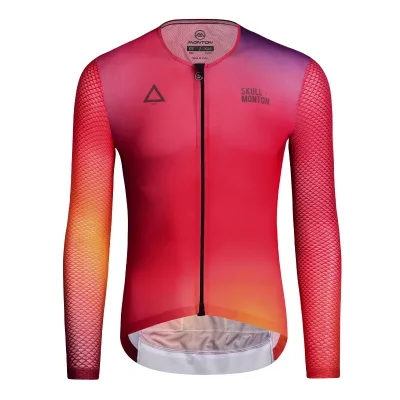
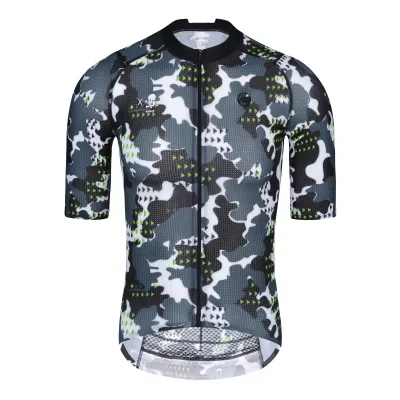
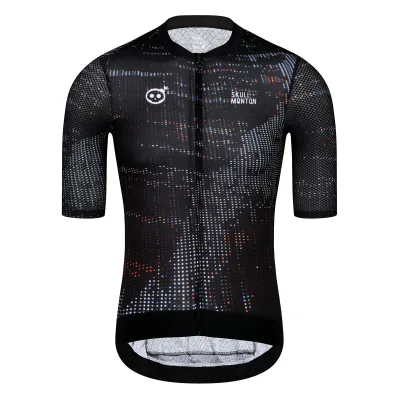
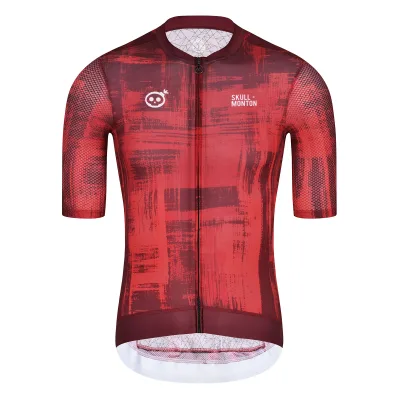
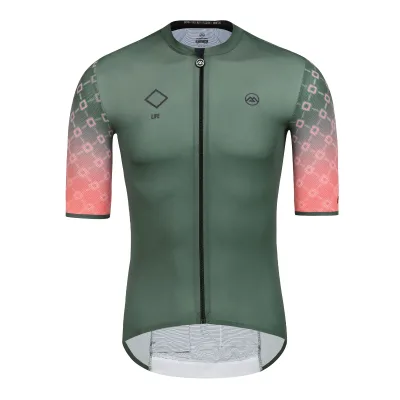
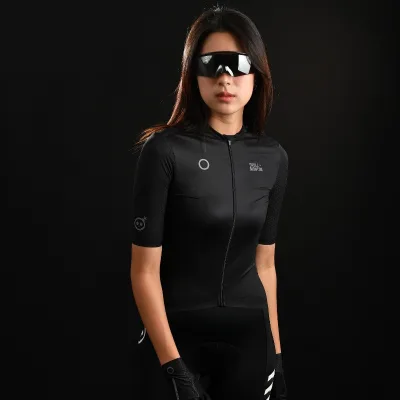
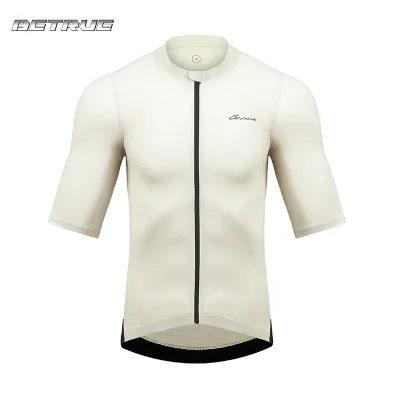
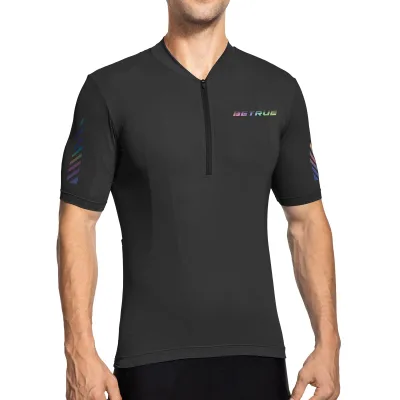
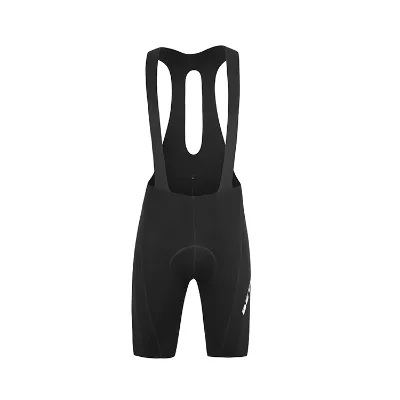


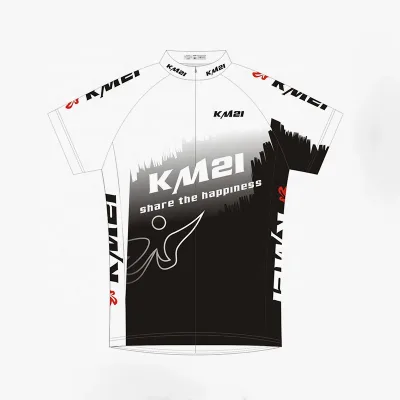


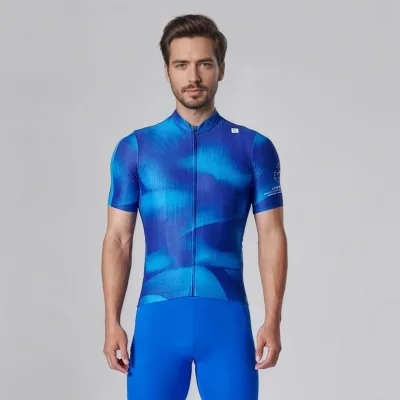

Comprehensive Sourcing Guide
Cycling Clothes Sourcing Guide
Buyers evaluating cycling apparel must first distinguish between standard training wear and high-performance racing gear, as the product data reveals distinct technical profiles for each. The observed listings include specific models designed for road racing, featuring seamless construction and laser-cut edges to minimize drag and chafing during high-intensity efforts. These items often utilize a blend of polyester and spandex to ensure the fabric provides active stretch while maintaining a lightweight profile essential for endurance events.
Conversely, other available options focus on versatility with features like anti-bacterial treatments and UV protection, catering to riders who prioritize comfort over pure aerodynamics. The supply chain data indicates that manufacturers in Guangdong, China, offer both OEM and ODM services, allowing buyers to customize logos on multiple garment areas including sleeves, hems, and necklines. This flexibility supports brands looking to create unique identities while leveraging established production capabilities for rapid sample turnaround.
Product Scope and Observed Listing Signals
The market currently displays a wide range of sizes from XXS to 5XL, indicating that suppliers are prepared to accommodate diverse body types and plus-size requirements without needing specialized tooling for every order. Color options observed include vibrant racing reds and practical camouflage blacks, often produced using sublimation transfer printing to ensure the graphics remain vibrant and do not crack during repeated washing or stretching. Buyers should note that the single package sizes vary significantly, suggesting different packaging standards for bulk orders versus individual retail units.
Lead times for sample orders are notably short, with some suppliers supporting a seven-day turnaround, which is critical for brands needing to validate designs quickly before committing to large production runs. However, full production lead times can extend to eighteen working days, requiring buyers to plan their inventory cycles well in advance to avoid stockouts during peak cycling seasons. The available quantity per listing suggests that while some items are ready for immediate dispatch, others may require a production schedule to meet the requested volume.
Technical Specifications to Verify
When assessing fabric composition, buyers must verify the specific blend ratios, as the data shows variations between 100% polyester and mixed polyester-spandex constructions that affect breathability and moisture-wicking performance. The presence of needle detection systems in the manufacturing process is a key indicator of quality control, ensuring that no metal fragments remain in the finished garments which could damage equipment or injure the wearer. Additionally, the fabric weight of 120 grams per square meter provides a baseline for durability, though buyers should confirm if heavier or lighter weights are available for different climate conditions.
Technical construction methods such as automated cutting and seamless sewing are critical for reducing friction points on the rider's skin, particularly in high-movement areas like the underarms and shoulders. Buyers should explicitly request confirmation of zipper brands, as the listings mention YKK and SBS as standard options, which are industry benchmarks for reliability and smooth operation. Verifying the specific printing method, whether heat-transfer or screen printing, is also essential to ensure the longevity of the design against sweat and UV exposure.
Compliance and Safety Documentation
Safety compliance in cycling apparel often hinges on the implementation of rigorous needle detection protocols, which are explicitly noted in the product attributes as a standard feature for these manufacturers. This process is vital for preventing metal contamination in the final product, a requirement that is increasingly demanded by retailers in North America and Europe to meet their own liability standards. Buyers should request a certificate of compliance confirming that every batch undergoes this metal detection check before leaving the factory floor.
While specific certification statuses like Oeko-Tex are mentioned in background notes, buyers must not assume these are automatically included without explicit verification from the supplier. It is the procurement team's responsibility to ask for current test reports regarding fabric safety and chemical restrictions, ensuring the materials meet the specific regulatory requirements of the target market. Relying on general claims without documented proof can lead to customs delays or product recalls if the finished goods fail to meet local safety standards.
Cost Drivers and Commercial Terms
The minimum order quantity (MOQ) ranges from 2 to 1000 pieces, offering flexibility for small startups while potentially increasing the unit cost for very small batches. Buyers should be aware that the supply ability is capped at 20,000 pieces per month, which means that large volume orders may need to be split into multiple shipments or scheduled over several months to avoid production bottlenecks. Understanding these capacity limits is essential for negotiating realistic delivery dates and avoiding penalties for missed deadlines.
Pricing structures are influenced by the complexity of the customization, such as the number of logo placement locations and the specific printing techniques employed. The observed price range of 4.9 to 199.36 USD reflects the variance between basic stock items and highly customized, feature-rich jerseys with advanced construction like laser cutting. Buyers should clarify whether the quoted price includes packaging details, such as individual plastic bagging, or if these are separate line items that will impact the final landed cost.
Supplier Qualification and Quality Control
Supplier qualification should begin with a review of their service model, as the data confirms a strong capability in providing both OEM and ODM services with a focus on rapid prototyping. The ability to produce samples in seven days demonstrates a responsive supply chain, but buyers must also evaluate the consistency of their mass production output against the sample quality. It is advisable to request a video audit or third-party inspection report to verify that the automated cutting and sewing processes are maintained consistently across all production lines.
Quality control measures must extend beyond the final inspection to include checks on the fabric weight and the integrity of the stitching, particularly in seamless areas where structural failure can occur. The mention of specific features like active stretch and softness suggests that the manufacturer has defined quality benchmarks, but these should be validated through physical testing of the actual goods received. Establishing a clear acceptance criteria document based on these observed attributes will help prevent disputes regarding product quality upon delivery.
Long-Term Procurement Checks
Sustaining a successful partnership requires regular audits of the supplier's ability to maintain their supply ability of 20,000 pieces per month without compromising on quality or lead times. Buyers should monitor the consistency of the lead time, ensuring that the eighteen working days for production remains stable even as order volumes fluctuate or raw material costs change. Proactive communication regarding potential delays or material shortages is essential to maintain a reliable inventory pipeline for the brand.
Long-term success also depends on the supplier's adaptability to new design trends and technical innovations, such as the integration of new anti-bacterial treatments or more advanced UV protection fabrics. Buyers should establish a feedback loop to share performance data from the field, allowing the manufacturer to refine their products based on real-world usage by cyclists. This collaborative approach ensures that the product line evolves in step with market demands and maintains its competitive edge in the cycling apparel sector.
FAQs
What materials are used for these cycling jerseys?
The cycling jerseys are constructed from a blend of polyester and spandex to ensure durability and flexibility. Some specific models utilize 100 percent polyester fabric. This material composition supports features like quick drying and active stretch for optimal performance during rides.
Can I order samples before placing a bulk order?
Yes, sample orders are supported with a lead time of seven days for specific items. Other models may require seven to ten working days for sample preparation. This allows buyers to verify quality and fit before committing to larger production quantities.
Which customization services are available for these products?
OEM and ODM services are available to customize logos and designs on the front, back, and sleeves. Buyers can request specific printing methods like heat transfer or sublimation. The service supports various sizes ranging from extra small to five extra large.
What is the minimum order quantity for these jerseys?
The minimum order quantity varies between two and one thousand units depending on the specific product model selected. Some items allow for single item selling units while others require higher volumes. Buyers should check the specific listing for the exact MOQ requirement.
How long does production take for bulk orders?
Standard lead times for bulk production are approximately eighteen working days after sample approval. Some specific models may have different timelines based on customization needs. The supply ability supports up to twenty thousand pieces per month for large volume requirements.
What features do these cycling jerseys offer for riders?
These jerseys include features such as anti-bacterial properties, UV protection, and breathability for comfort. They are designed to be lightweight with laser-cut edges and seamless construction. Additional benefits include quick-dry capabilities and active stretch for enhanced mobility during racing or road cycling.
Where are these cycling clothes manufactured and shipped from?
The products originate from Guangdong, China, and are dispatched from the port of Guangzhou. This location ensures efficient logistics for international buyers. The manufacturing process involves automated cutting and various printing techniques to meet specific design requirements.